The sleep pod has become the most talked-about piece in bedroom design. Once confined to airports and boutique hotels, the sleek, sculptural sleep pod now anchors residential interiors, giving designers a bold focal point that is as functional as it is futuristic.
For interior designers, the appeal is rare: a single object that defines a room’s layout, lighting and mood. Whether it is a smart bed system, an enclosed sleeping capsule or a compact nap pod, the right sleep pod changes how a bedroom is planned from the floor up.
Eight Sleep, Sleeping Capsules and Nap Pods: Three Design Statements
Each type of home sleep pod brings its own silhouette and personality to a room.
- Smart beds like Eight Sleep. The most discreet option. An Eight Sleep Pod reads as a refined, low-profile bed, so the technology disappears into a calm, tailored scheme. Pair it with an upholstered headboard and layered linens.
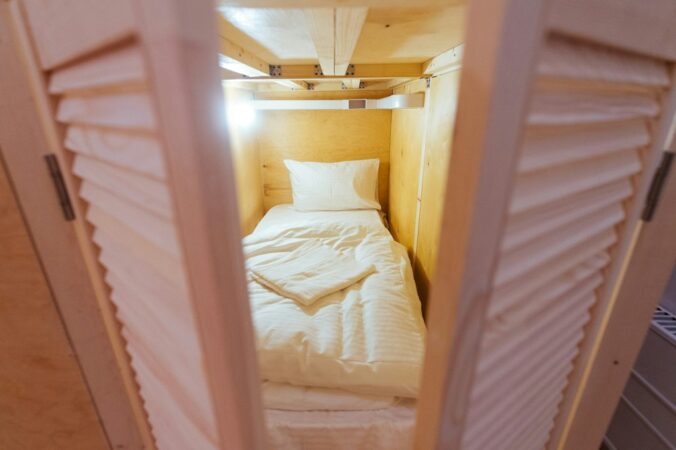
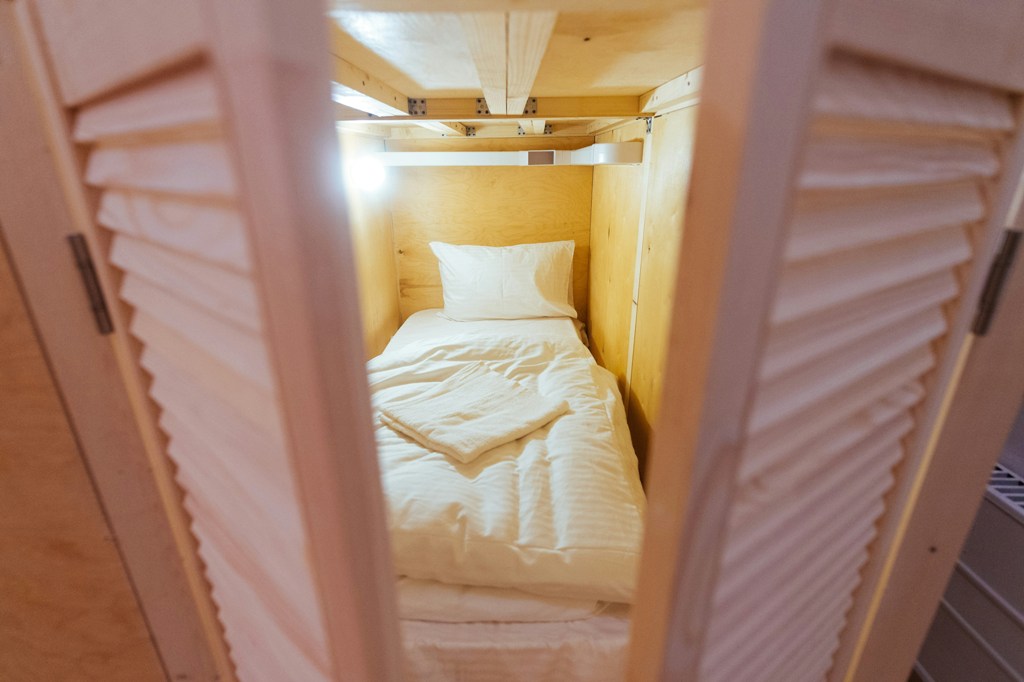
- Sleeping capsules. The statement piece. Rounded, enclosed shells work as built-in sculpture and suit lofts, studios and primary suites with generous ceiling height.
- Nap pods. The accent piece. A compact nap pod looks like a designer lounge chair, ideal for a reading corner, dressing area or home office.
Placement, Scale and Flow Around Your Sleep Pod
A sleep pod is a substantial object, so placement comes first. Treat it like a sofa or a freestanding tub: give it room to breathe and a clear sight line from the door.
Leave roughly 90 cm (3 feet) of circulation space around an enclosed sleeping capsule, and anchor it against the longest wall or inside an alcove so it reads as architecture rather than furniture.
Plan the utilities early. Smart sleep pods need power and sometimes a control hub, so map outlets, cable routing and ventilation before the pod arrives. Concealed conduit and a recessed floor outlet keep the lines clean.
Then scale everything else down. With a bold sleep pod as the hero, keep nightstands slim, rugs low-pile and décor restrained. Wall-mounted sconces free up floor space and frame the pod.
Finally, treat light and sound as materials. Warm indirect LED strips, acoustic wall panels and blackout drapery add texture and let the pod’s glow do the talking.
The Futuristic Look: Four Sleep Pod Bedroom Designs
Rounded shells, soft ambient glow and sleek white or matte finishes give a sleep pod a spacecraft feel. Here are four design directions.
- The minimalist sanctuary. White limewash walls, a low platform and hidden storage. The capsule-style sleep pod is the sculpture, so keep everything else quiet.
- The warm sci-fi suite. Walnut paneling, indirect LED coves and a dimmable pendant soften a smart bed system, paired with natural wood and bouclé.
- The dark cocoon. Charcoal or deep navy walls, blackout curtains and a sleeping capsule with amber lighting. Moody, enveloping and luxurious.
- The nap pod corner. A nap pod beside a bookshelf, with a textured rug and a wall-mounted speaker. A designer reading nook that doubles as a midday reset.
Whichever direction you choose, keep the palette tonal, the cables hidden and the lighting warm and low. A futuristic bedroom should feel calm first, dramatic second.
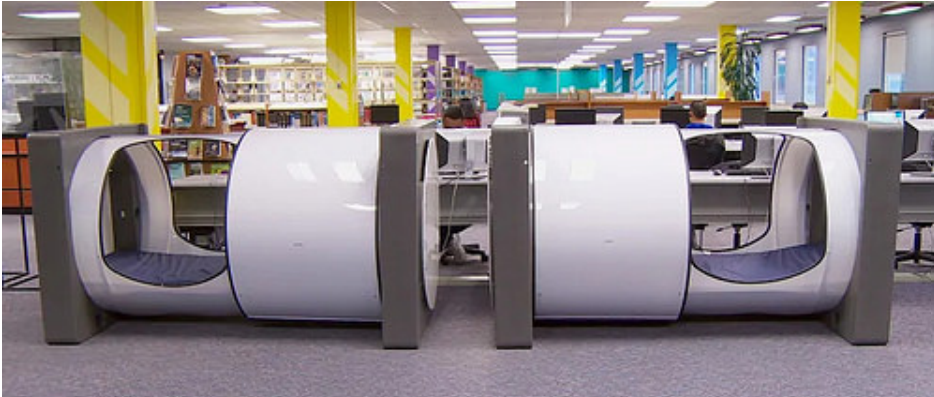
Even BCIT has their own Sleep Pods on Campus
Students need a lot of rest to be mentally sharp and BCIT has already found a solution: They are using sleep pods on their campus to give their students the opportunity to take a quick nap during the day.
Is a Sleep Pod Right for Your Space?
If you love clean lines, custom millwork and rooms that feel designed rather than decorated, a sleep pod or nap pod is worth a serious look. Start with the floor plan, ceiling height and power access, then choose the pod whose form suits the room.
Better rest is a welcome bonus, but the real gift of the sleep pod is a bedroom with a clear point of view: sculptural, serene and unmistakably modern.
Have a look at my previous posts about European High-Gloss Kitchens.