As an interior designer, I’ve always believed that the kitchen is more than just a functional space and I like to cook which is good. It can be the heart of the home, and its design should reflect both the personality of the homeowner and the architectural character of the property. In recent years, one European design trend has been making a particularly strong impression across North America: modern German and Italian high-gloss kitchens.
For as long as can remember, North American kitchens have traditionally favoured natural wood cabinetry, raised-panel doors, decorative mouldings and warmer, more traditional finishes just like other rooms in American design. While these styles still have their place, homeowners are increasingly looking toward Europe for inspiration, embracing cleaner lines, minimalist aesthetics and sophisticated high-gloss surfaces.
The German Approach: Precision Meets Minimalism
German kitchen design is renowned for its engineering, precision and attention to detail. Brands such as LEICHT, next125 and Poggenpohl have helped establish an international reputation for kitchens that combine technical innovation with understated elegance.
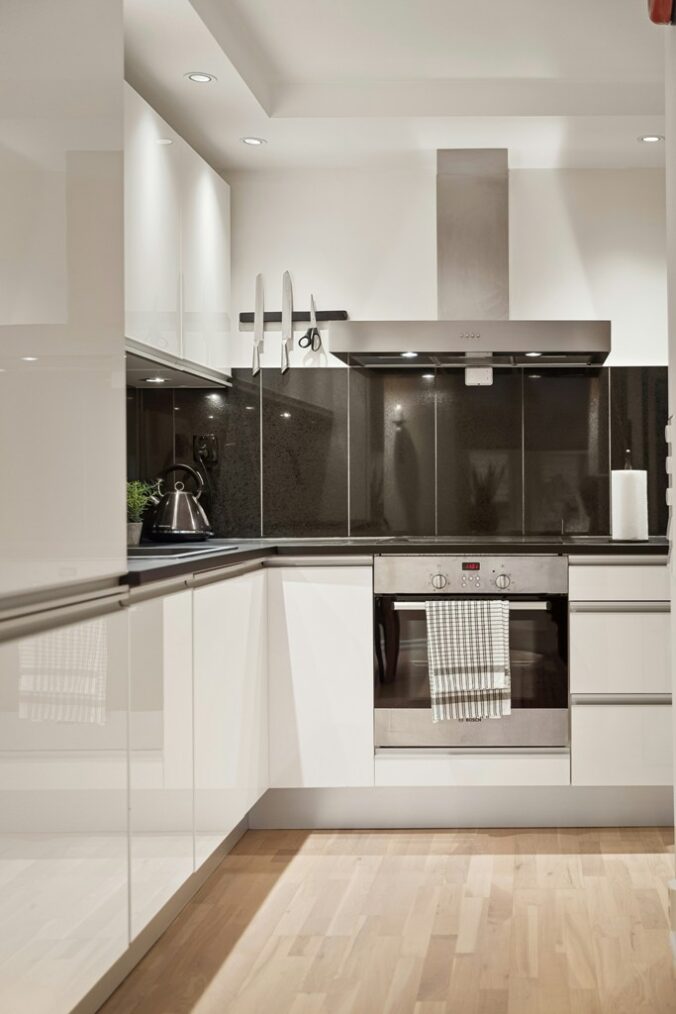
German high-gloss kitchens typically feature perfectly aligned cabinetry, handleless doors, integrated appliances and uninterrupted surfaces. High-gloss lacquer and acrylic finishes create a smooth, reflective appearance that can make even relatively compact kitchens feel brighter and more spacious.
What I particularly appreciate about German design is that its beauty is not simply cosmetic. Behind the clean exterior is an emphasis on intelligent storage, ergonomic planning, durable hardware and practical functionality and, of course, very high quality. Every element has a purpose, and unnecessary decoration is eliminated.
Italian Style: Luxury, Colour and Architectural Expression
Italian kitchen design takes a slightly different approach. While maintaining the minimalist principles of contemporary European interiors, Italian manufacturers often introduce more expressive materials, dramatic finishes and bold combinations.
Brands such as Boffi, Valcucine and Scavolini demonstrate how high-gloss cabinetry can become a statement feature rather than simply a practical kitchen finish.
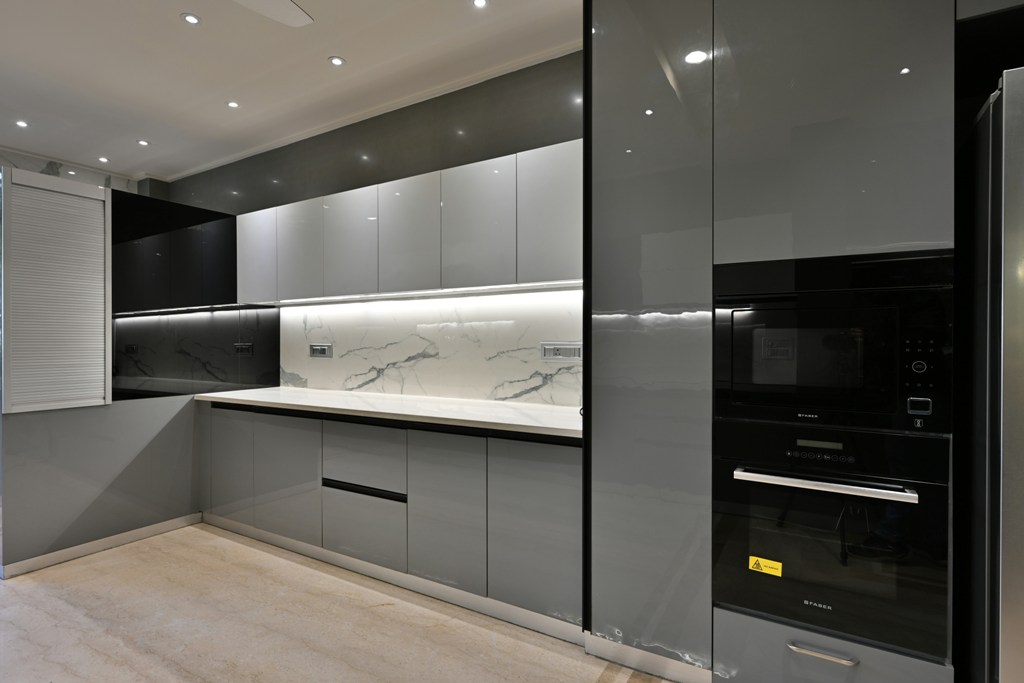
Italian kitchens frequently combine reflective lacquered cabinets with natural stone, dramatic marble islands, metallic accents and contrasting textures. The result is a space that feels sophisticated, architectural and luxurious without necessarily appearing overly formal.
Where German kitchens often emphasize precision and functional simplicity, Italian kitchens tend to introduce a little more personality and visual drama.
Why North America Is Embracing the Trend
I believe the growing popularity of European high-gloss kitchens in North America reflects a broader change in how homeowners view interior design.
Today’s homeowners are increasingly interested in open-concept living, contemporary architecture and interiors that feel connected to international design trends. A high-gloss European kitchen works particularly well in these environments because its reflective surfaces interact beautifully with natural light, glass, stone and modern lighting fixtures.
There is also a growing appreciation for the clean, uncluttered appearance of handle-less cabinetry and integrated appliances. Homeowners want kitchens that look refined while remaining highly functional.
My Perspective as an Interior Designer
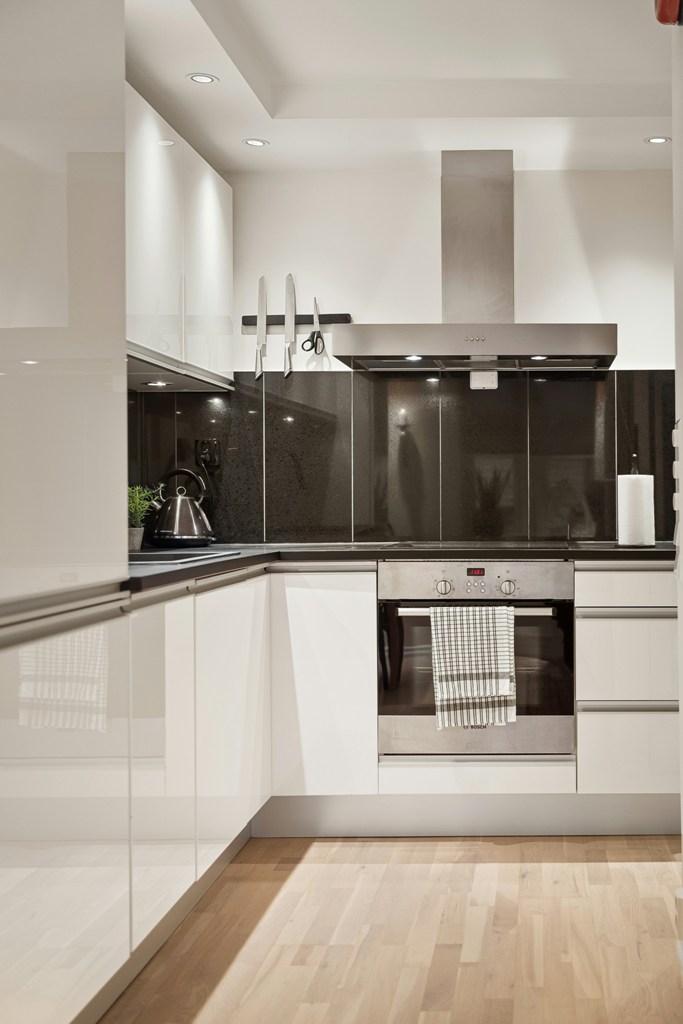
When specifying a high-gloss kitchen, I always consider the overall architectural environment. White and soft neutral finishes create timeless sophistication, while darker gloss finishes can introduce depth and drama. The key is balancing reflective cabinetry with warmer materials such as wood, textured stone and carefully selected lighting.
German and Italian kitchen design is no longer simply a European preference. It is becoming an increasingly influential part of the North American residential design landscape.
In my opinion, this is more than a passing trend. It represents a shift toward cleaner architecture, smarter functionality and a more refined interpretation of modern luxury. And as a German I welcome the trend.
Have a look at what I wrote earlier about Traditional versus Modern Design.
Leave a Reply